Peppermint Essential Oil: Evidence-Based Benefits
Mentha × piperita
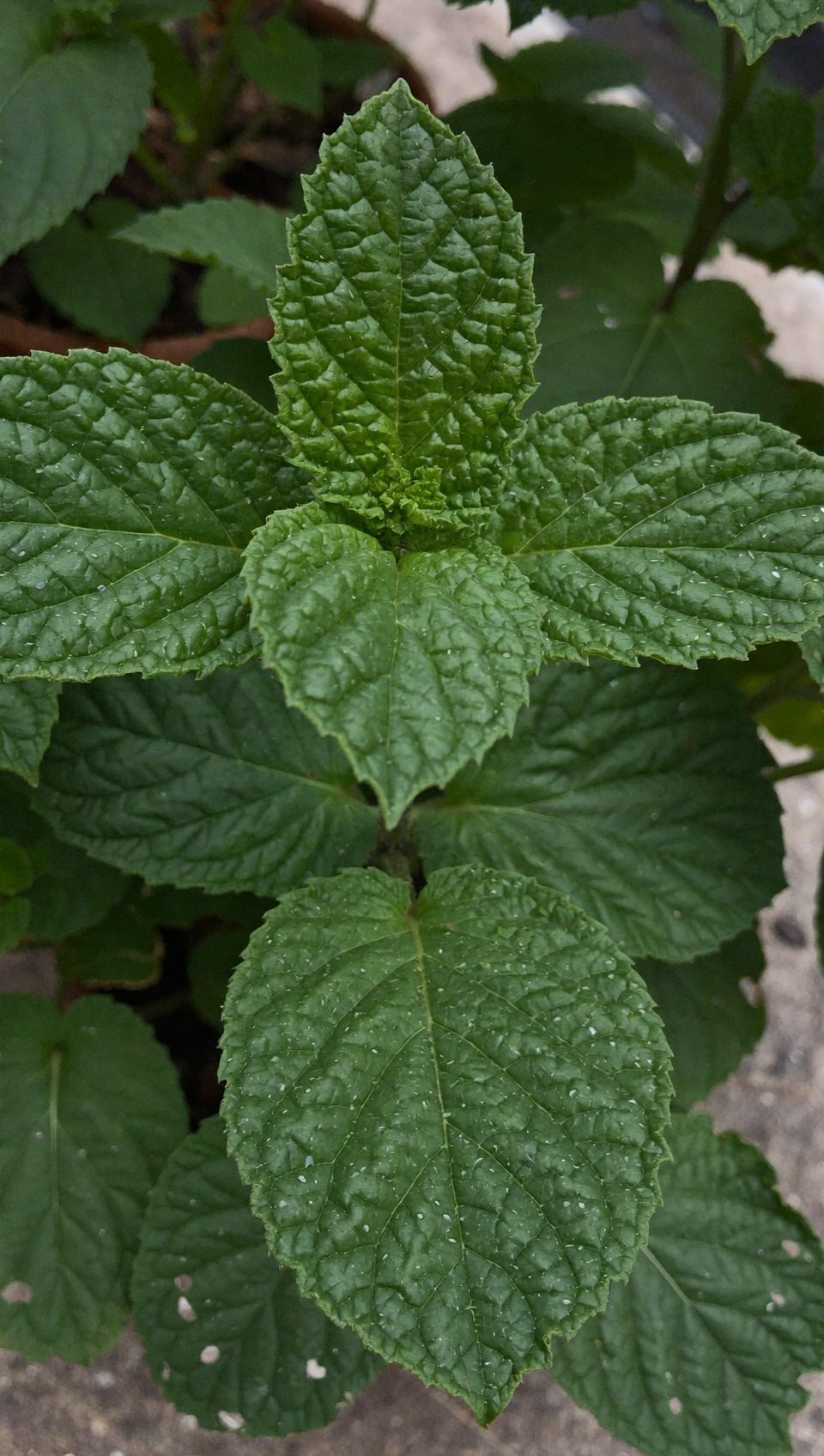
Peppermint essential oil is one of the most researched and widely used oils in the world, valued for its distinctive cooling sensation and broad therapeutic applications. Its primary active constituent, menthol, accounts for 40–55% of the oil and is responsible for its characteristic analgesic and antispasmodic properties.
Clinical research has demonstrated peppermint oil's effectiveness in several areas. A randomized controlled trial published in Pain Medicine found that topical application of diluted peppermint oil (10% in ethanol) provided significant relief from tension headaches comparable to acetaminophen. Separately, enteric-coated peppermint oil capsules have been studied extensively for irritable bowel syndrome, with a 2014 meta-analysis in the Journal of Clinical Gastroenterology concluding they significantly reduced abdominal pain compared to placebo.
For aromatherapy applications, peppermint is valued for its stimulating effect on alertness and cognitive performance. Research from Northumbria University found that participants exposed to peppermint aroma showed measurable improvements in memory and alertness. Always dilute peppermint oil to 1–2% in a carrier oil for topical use, and avoid use on children under six years of age.
We're developing the complete in-depth guide for this topic, including detailed research summaries, dilution tables, usage protocols, and safety references. Check back soon, or browse our published articles in the meantime.
Ready to experience therapeutic-grade essential oils?
Our complete 6-oil collection includes lavender, lemon, tea tree, peppermint, frankincense, and an immunity blend.
View the Complete Collection →